
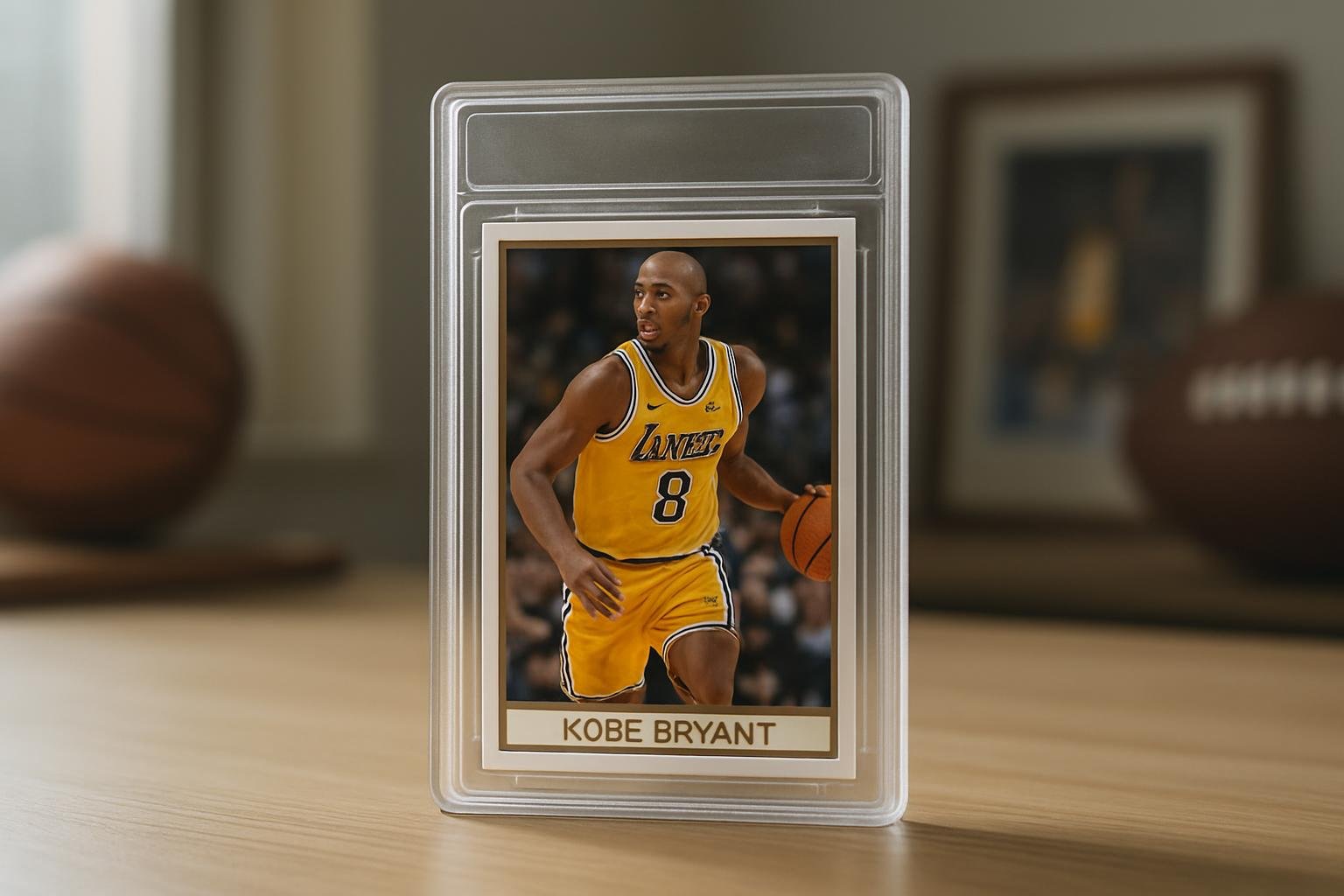
Kobe Bryant’s place in basketball history is secure, but his impact on the collectibles world continues to evolve in ways that few athletes can match. For longtime hobbyists, he represents an era of explosive growth in basketball cards, from glossy 1990s issues to premium chromium releases and serial-numbered inserts that still command attention today. For newer collectors, he stands as one of the foundational modern icons whose market remains active across budget levels and collecting styles.
For collectors comparing key releases, print runs, and condition-sensitive options, Kobe Bryant rookie cards offer a practical way to evaluate some of the most important cards tied to Bryant’s legacy.
What makes Kobe especially compelling in the card market is the range of entry points available to collectors. Some focus on flagship rookie cards, others chase scarce parallels and inserts, and many simply want a meaningful card of a player whose career combined championships, longevity, and a fiercely competitive identity. That broad appeal has helped his market remain relevant through changing hobby cycles.
While card values often rise and fall with trends, Bryant’s best issues have shown a level of staying power that reflects both cultural importance and sustained collector demand. His legacy connects multiple generations, which is one reason his cards continue to attract buyers who are collectors first and investors second.
Why Kobe Bryant Remains a Hobby Cornerstone
Many great players have strong card markets, but only a smaller group become hobby cornerstones. Kobe belongs in that category because his collecting profile checks nearly every box: elite career achievements, global popularity, memorable highlights, championship success, and a fan base that extends well beyond Los Angeles.
Collectors are often drawn to stories as much as statistics, and Bryant’s story has always carried weight. He entered the league with massive expectations, developed into one of the game’s most feared scorers, won five championships, and built a legacy rooted in discipline and confidence. That narrative gives emotional depth to his cards, which matters in a market where long-term demand often follows cultural resonance.
Another reason for his lasting relevance is timing. Bryant’s rookie-year cardboard sits in a fascinating period of the hobby. His cards arrived during the late 1990s, when manufacturers were experimenting with premium brands, foil technology, refractors, die-cuts, and inserts that felt different from the junk-wax era products many collectors had grown tired of. Because of that, his key issues sit at the intersection of nostalgia and modern scarcity.
Collectors who value historical significance, visual design, and player legacy can all find something meaningful in his catalog. That combination is rare.
The Importance of Rookie Cards in Kobe’s Market
When people first begin exploring Kobe’s card market, they usually start with rookie cards. That makes sense. Rookie cards remain the most recognized entry point for measuring an athlete’s collecting relevance, and in Bryant’s case, they have become central to how collectors define his market.
Not every rookie card holds the same weight, of course. Some are more iconic because of brand recognition, print scarcity, visual appeal, or grading sensitivity. Others are valued because they represent accessible ways to own an important piece of basketball history. This creates a layered market rather than a one-size-fits-all market.
Collectors who want a signature Kobe rookie often focus on products from 1996-97, a class that also included other major names and remains one of the most celebrated rookie years in modern basketball collecting. The strength of that draft class has kept attention on the entire era, and Bryant’s cards are among the most consistently pursued from the group.
Condition plays an enormous role here. Centering, surface quality, edges, and corners can all shift a card from affordable to elite. High-grade examples of top Bryant rookies can carry major premiums because the supply of truly sharp copies is much smaller than many assume. Cards from this period may look plentiful in raw form, but pristine graded examples are much harder to secure.
Collectors researching the market often compare brand prestige, population reports, and recent sales before deciding which Kobe rookie fits their budget and goals. For anyone studying the category more closely, [[BACKLINK_1]] can serve as a useful starting point for understanding the range of notable options.
What Drives Value Beyond the Rookie Label
Although rookie cards often get the most attention, they are only part of Bryant’s collecting story. Some of his most desirable cards are inserts, parallels, autographs, and low-population issues that reflect a deeper level of hobby knowledge.
Several factors tend to drive interest in non-rookie Kobe cards:
- Scarcity: Serial-numbered parallels and short-printed inserts often command strong demand.
- Brand prestige: Premium sets and respected legacy products carry lasting collector confidence.
- Visual appeal: Bold photography, foil treatments, and recognizable designs can elevate a card’s popularity.
- Grade sensitivity: Tough cards with low gem-mint rates often become more desirable.
- Career context: Cards tied to championships, major statistical seasons, or iconic imagery can gain added importance.
This is one reason the Kobe market remains so engaging. It is not limited to one or two headline cards. Collectors can build around rookie-era staples, but they can also branch into rare inserts from the late 1990s, game-used memorabilia cards from the 2000s, or on-card autographs that reflect a different part of his career arc.
That diversity helps preserve demand because it gives collectors room to specialize. A budget-conscious buyer and a high-end vintage-modern crossover collector may both be active in the Bryant market, but they may be chasing entirely different cards.
Grading and the Role of Condition
In the modern market, grading remains one of the biggest factors in Kobe card pricing. For iconic players, the gap between raw and graded values can be substantial, and the difference between a strong grade and an elite grade can be even more dramatic.
This is especially true for Bryant because many of his most popular cards come from sets known for print and condition challenges. Chrome surfaces scratch. Dark borders reveal wear. Foil can chip. Centering can drift enough to affect grading outcomes. A card that looks strong at first glance may still fall short of top-tier grades under close review.
For collectors, this creates both opportunity and risk. Buying raw can be rewarding if the card presents well and grading upside exists, but it also requires experience. Buying graded offers more certainty, though it often comes at a premium. Neither path is automatically better. It depends on collecting goals, budget, and comfort with evaluating condition.
Population reports also matter. If a specific Kobe card has thousands of graded examples but relatively few in the top grade, demand can become concentrated at the highest end. That dynamic helps explain why some cards can appear widely available while still commanding strong prices in premium holders.
In Kobe’s market, condition is not just a technical detail. It is often the line between a collectible card and a centerpiece card.
How Legacy Shapes Long-Term Demand
Some athletes experience market spikes tied to short-term hype, but Bryant’s demand is rooted in legacy. His career achievements are substantial on their own, yet his place in basketball culture reaches even further. He is remembered as a relentless competitor, a global ambassador for the sport, and a player whose influence extended to younger stars who followed him.
That kind of legacy tends to create a more durable collector base. Fans who watched his career unfold remain active. Younger collectors continue discovering his significance through highlights, documentaries, interviews, and the ongoing respect shown by players across the league. International collectors also remain an important part of his market, reflecting the breadth of his popularity.
Legacy-driven demand often behaves differently from trend-driven demand. It may still move with the broader market, but it usually maintains a stronger floor because collectors are not only buying price action. They are buying connection, memory, and meaning.
This helps explain why even outside of headline auction moments, Kobe cards continue to see steady interest across many collecting tiers. From entry-level rookie cards to premium inserts and autographs, his market remains active because his story still matters to the hobby.
Collecting Strategies for Different Types of Buyers
There is no single right way to collect Kobe Bryant cards, but a few practical approaches can help buyers make smarter decisions.
1. Start with recognizable cards
If you are new to the category, begin with cards that have strong hobby recognition. Widely known issues are easier to research, compare, and resell if needed.
2. Prioritize condition over quantity
It is often better to own one sharp, appealing card than several lower-quality copies. Eye appeal matters, even within the same numeric grade range.
3. Learn the difference between rarity and obscurity
A card can be rare without being highly demanded. The strongest long-term pieces usually combine scarcity with collector awareness and brand trust.
4. Use grading populations and sales history
Recent sales help establish realistic pricing, while population reports give context about relative availability in various grades.
5. Collect the era that resonates most
Some collectors prefer rookie-year cards. Others are drawn to championship-era issues or premium inserts from the late 1990s. Personal connection should still play a role.
These strategies matter because Bryant’s market is broad enough to tempt impulsive buying. A disciplined approach helps collectors focus on quality and long-term enjoyment rather than chasing whatever happens to be trending for the week.
The Broader Meaning of Kobe Cards in Today’s Hobby
Kobe Bryant cards continue to matter because they represent more than a checklist. They reflect a player whose excellence translated across eras, whose personality became part of the sport’s mythology, and whose cardboard catalog captures one of the most creative periods in modern card production.
For collectors of sports cards, Bryant offers something rare: a market with deep emotional resonance, recognizable key cards, meaningful rarity, and enduring global demand. That mix is difficult to replicate. Some players offer higher short-term volatility. Others offer lower-cost entry points. But few offer the same combination of prestige and permanence.
As the hobby keeps changing, collectors will continue to revisit the names that define modern basketball collecting. Kobe Bryant will remain high on that list, not simply because of what he achieved on the court, but because his cards continue to give collectors a tangible connection to one of the sport’s most unforgettable careers.
Comments